Showing posts with label Healthy Food. Show all posts

Tuesday, May 15, 2012

Best Healthy Stomach Filling Foods


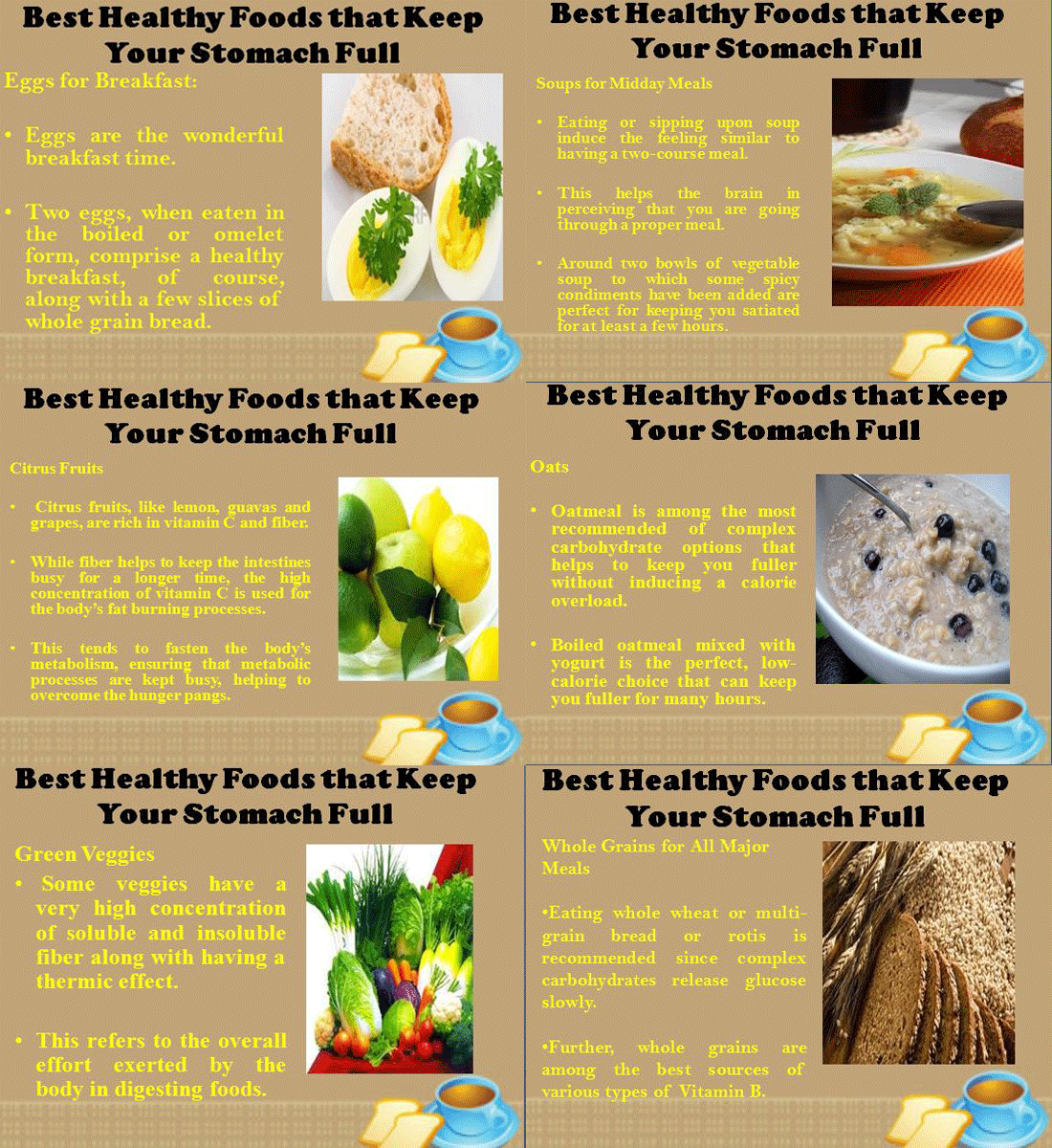
Hunger pangs are the major deterrent to our calorie-limiting schedules, making it hard to lose those unwanted pounds. 

However, if you can eat healthy, non-fattening foods that keep you feeling fuller for a longer time, chances are that you will snack less through the day. Some of the healthier food choices that help to sustain the fuller feeling and prevent hunger pangs. 
Friday, May 11, 2012

Ca - Calcium for Bones

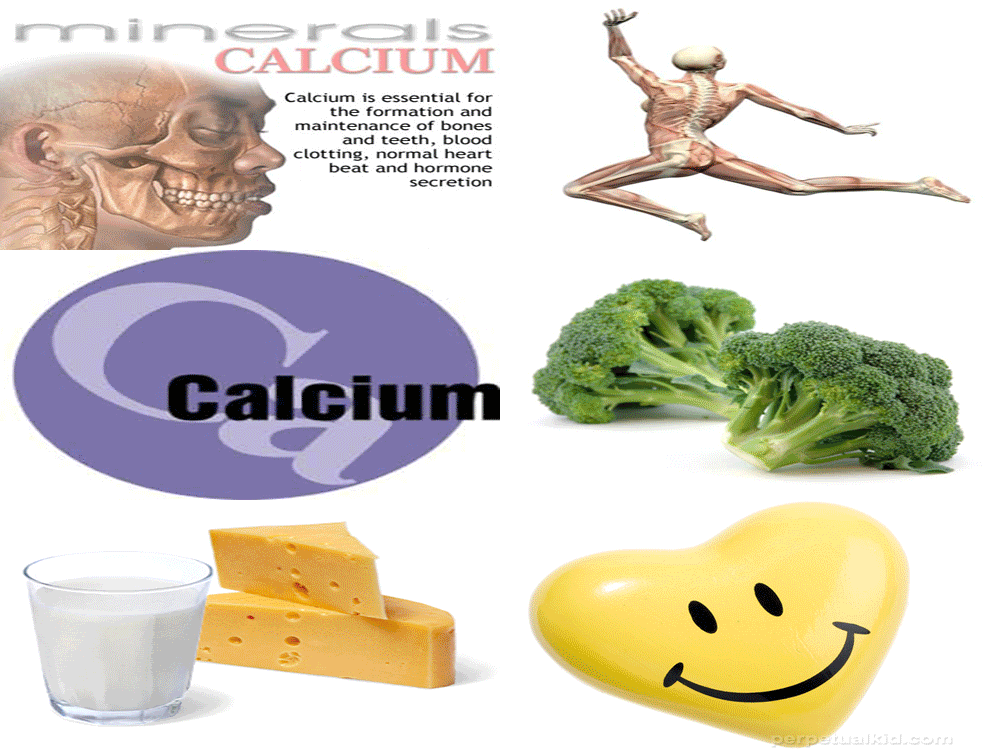
Calcium is very important for maintaining the necessary level of bone mass to support the structures of the body. The body is constantly using calcium for the heart, blood, muscles and nerves. 

Calcium is also lost through normal bodily processes such as waste and the shedding of hair, fingernails, sweat and skin. Osteoporosis is a common bone disorder that causes a growth loss in bone density and mass.

 As a result, bones become thin, weakened, and easily fractured. A bone-healthy diet may not help rebuild your bones if you are experiencing age-related bone loss, but it can slow bone loss. 

Good nutrition is important at all ages to keep the bones healthy.

 • Taking calcium reduces bone loss and decreased the risk of fracturing the vertebrae (the bones that surround the spinal cord). 
• Consuming calcium during childhood (eg, in milk) can lead to higher bone mass in adulthood. This increase in bone density can reduce the risk of fractures later in life.
• Calcium also has benefits in other body systems by reducing blood pressure and cholesterol levels.
• Calcium and vitamin D supplements have been shown to help prevent tooth loss in older adult.

Sunday, May 6, 2012

Health Benefits: Cucumber Fruit

Cucumbers like watermelons, are 96% water, they keep the body hydrated and help control the body’s inner temperature. They also help the body flush out toxin.
15 health benefits of cucumber: 

1. Keep body hydrated 
2. Skin care
3. Fight cancers (breast cancer, prostate cancer, uterine cancer, and ovarian cancer.) 
4. Control Blood Pressure 
5. Beneficial for teeth and gums 
6. Aid digestion 
7. Promotes Joint health 
8. Treat tapeworms 
9. Nail care 
10. Relieve gout and arthritis pain 
11. Cures diabetes 
12. Reduces cholesterol 
13. Stimulate hair growth 
14. Acts as a diuretic 
15. Aid in weight loss 

When buying cucumbers, choose the ones that are firm to touch and dark green in color. Do not buy overly matured or yellow colored as they are prone to contain more insoluble fiber and mature seeds. Go for organically grown cucumbers to get a rich taste and nutritionist content.

Monday, April 30, 2012

Health Tips - Buttermilk for Better health

Buttermilk is a drink that digests easier than regular milk because it contains even more lactic acid than can be found in skim milk. Buttermilk is a Probiotic food. These contain living microorganisms, which can survive the passage through the stomach and become active in the intestines.

 Here are some healthy things these bacteria do to your body:

• Manufacture vitamins
• Improve digestion 
• Boost Immunity 
• Manufacture nutrients
• Reduces body heat 
• Helps in weight loss. 
• Benefits to the heart. 
• Protect against cardiovascular diseases 
• Protect against carcinogens 

Buttermilk is lower in fat than regular milk, because the fat has been removed to make butter. It is also high in potassium, vitamin B12, calcium, and riboflavin as well as a good source of phosphorus. Those with digestive problems are often advised to drink buttermilk rather than milk, as it is more quickly digested. Buttermilk has more lactic acid than skim milk.

Now buttermilk is made by adding cultured bacteria to low-fat or fat-free milk, just like yogurt. The live cultures provide its distinctive rich, creamy texture–and a host of health benefits. Hence drink buttermilk for better health!!!

Thursday, April 26, 2012

Diet to Follow to Improve Eye Sight

Close your eyes and imagine you have not seen ever since the world and yourself. You will not have a thought with what it looks like when you only feel it. Eyes are very vital for the human body. Eyes are the windows of the soul. A diet low in fat and rich in fruits, vegetables and whole grains can pay benefits not only to your heart but to your eyes. Nutrients such as Vitamin C, omega-3 oils and key plant molecules are so important that you really can eat your way to better vision. 


  • Leafy greens 
Spinach, chard, kale, broccoli and sprouts are rich sources of two vital pigments - lutein and zeaxanthin - that are used by the retina at the back of the eye for clear vision.
  • Eggs 
Egg yolk is an added key source of the important eye pigments, lutein and zeaxanthin.
  • Bilberries 
Bilberries and blackberries are rich in anthocyanins that can prevent and slow blindness caused by macular degeneration and cataracts.
  •  Oily fish 
Omega-3 fats found in oily fish helps lower the risk of glaucoma and macular degeneration. Omega-3 fats may also protect from dry-eye syndrome.
  • Nuts and seeds 
Nuts and seeds are a rich source of Vitamin E, which may help prevent cataracts and other forms of blindness by protecting eye cells from UV damage.
  • Fresh fruit 
Vitamin C, reduce the risk of all leading eye diseases including macular degeneration, cataracts and glaucoma.

Tuesday, April 24, 2012

Important Health Benefits of Spinach

Spinach is an excellent natural source of vitamin K, vitamin A, manganese, folate, magnesium, iron, vitamin C, vitamin B2, calcium, potassium, and vitamin B6. It is a very good source of dietary fiber, copper, protein, phosphorus, zinc and vitamin E. In addition, it is a good source of omega-3 fatty acids, niacin and selenium.

• The keys to the benefits of spinach for bone health come in the form of Vitamin K, Vitamin A and magnesium. Vitamin K is also absolutely essential to build strong bones and prevent heart disease, and it plays a crucial role in other bodily functions other than blood clotting.Spinach, along with other green vegetables brussel sprouts and broccoli, is one of the best food sources of Vitamin K.

• Spinach for Heart, Cardiovascular Health - Eat more spinach. Your heart and arteries will thank you.

• Spinach is rich in the mineral potassium and low in sodium. Potassium or potassium-rich diets are an effective first line of defense against high blood pressure / hypertension. Potassium salts are commonly recommended as a substitute of sodium chloride (common table/cooking salt) for people at risk of or suffering from high blood pressure. Potassium lowers blood pressure. Sodium raises blood pressure. Spinach, being high in potassium and low in sodium is therefore a clear choice for your cardiovascular health.
• Beta carotene, abundant in spinach, is a precursor to Vitamin A. The human body converts beta carotene into Vitamin A. Deficiencies of Vitamin A (resulting primarily from inadequate intake of food sources of beta carotene, such as spinach or carrots) result in poor eyesight and most significantly poor night vision and even night blindness. Other eye-related symptoms of a Vitamin A deficiency include dry eyes, eye ulceration, burning and itching eyes.

Wednesday, March 28, 2012

Health Tips for Good Liver Function

The liver is responsible for absorbing nutrients, removing toxins in body and improving digesting food. Proper liver health is important for longevity and vitality. Liver health can be promoted from within by taking dietary steps such as eating healthy foods.

Health Tips for Good Liver Function

Lean Protein
The human body needs protein in order to develop and build lean muscle tissue. Lean proteins that promote healthy liver functions include poultry, fish and legumes. Aim for 1/2 cup of legumes or beans and at least one to two servings of poultry or fish at each meal.

Fruits and Vegetables
A diet full of vegetables and fruits helps combat chronic conditions, such as diseases of the liver. Wide array of vegetables and fruits daily to receive nutrients that are beneficial in helping the liver and other body organs fight disease, prevent infection and rid the body of toxins. Examples of healthy fruits and vegetables include leafy green vegetables, broccoli, spinach, apples, oranges, celery, melons and cabbage.

Low-Sodium Foods
Those who struggle with liver conditions should avoid high-salt foods, which can increase swelling. Fresh meats and poultry are lower in sodium than deli meats and processed sausages. Choose natural tomato sauce, oil, vinegar, garlic or oil over condiments such as ketchup, salad dressings and mustard.

Carbohydrates

Carbohydrates provide glucose, which provides fuel and energy to the body. To promote healthy liver functions, choose complex carbohydrates such as cereals, starchy vegetables and whole grain breads to reap nutrients and energy.

Tuesday, March 27, 2012

Health Tips | Reducing the Rate of Cancer Risk

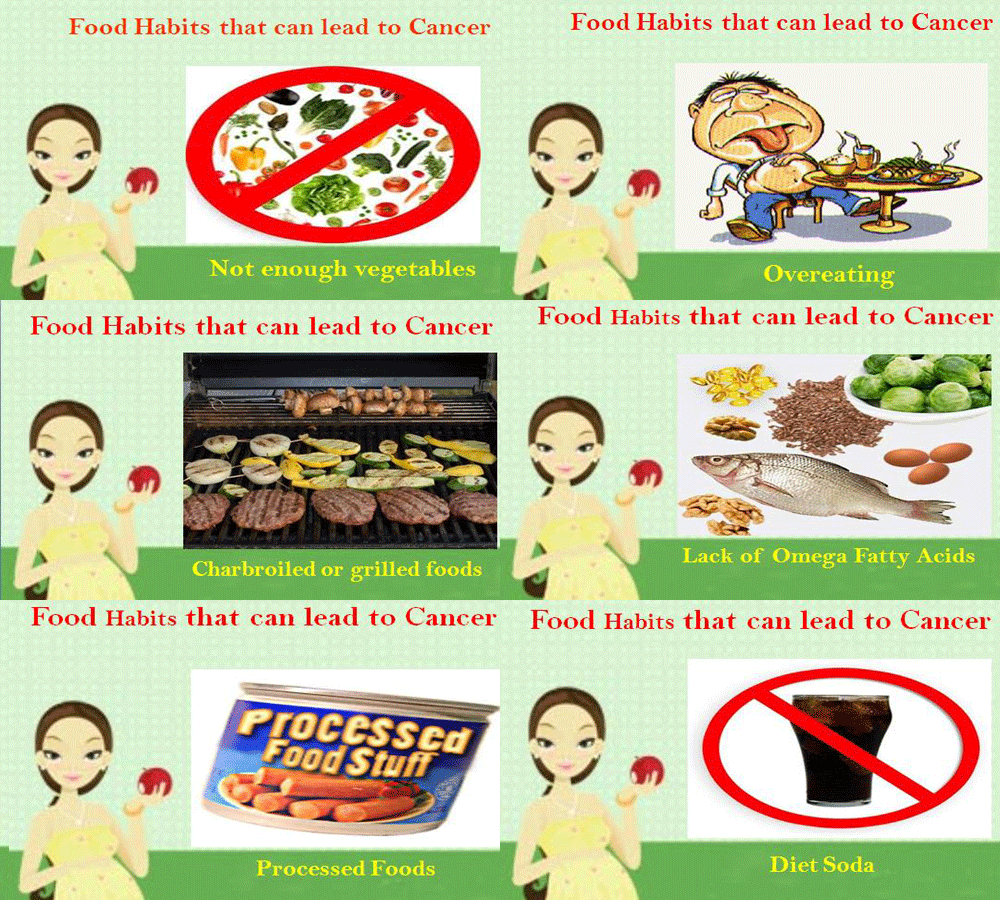
Health Tips | Reducing the Rate of Cancer RiskCancer is a cluster of diseases characterized by the growth and spread of abnormal cells. This can occur in any part of the human body.

If you're concerned about cancer prevention, take comfort in the fact that small changes in your daily life can make a big difference. Consider seven real-life cancer prevention tips.


Here are the tips:

• Stop smoking and using tobacco
• Limit alcohol intake – some alcohol is okay
• Follow recommended intake of fruits and vegetable (daily!)
• Decrease the amount of fat in your daily diet
• Lose weight if you’re too heavy, try to gain weight if you’re too thin
• Move! Get active
• Watch your skin (from the sun and don’t use tanning beds)
• Don’t take chances when having sex. Protect yourself.
• See your doctor regularly and take part in recommenced screening tests
• If you have had cancer or are at particularly high risk, speak with your doctor about chemoprevention, which is taking medications to reduce the risk of new cancers

Monday, March 26, 2012

Flight diseases -Lemon


Lemon
is a versatile citrus fruit that is used for its tart and slightly sweet flavor in entrees, appetizers, desserts and beverages. Lemons and limes were commonly transported on ships and in mines during the 19th century to prevent scurvy, which is caused by a deficiency of vitamin C.


A single medium lemon contains approximately 17 calories, 5 g of carbohydrate and no fat. Despite these seemingly sparse values, lemons are effective in the treatment and prevention of a wide variety of health conditions.

  • Osteoarthritis and Rheumatoid Arthritis
  • Scurvy
  • Cardiovascular Disease and Stroke
  • Wound and Bruise Healing